Last updated September 24, 2026
New windows and doors improve comfort, cut energy bills and add long-term value to your home. Sightline Windows & Doors Miramar pairs proven product lines with our own installing crews for lasting performance - and a price we put in writing.
1. Choose your installer
The unit is half the job - the install is the other half. Our own background-checked crews measure, set, seal and insulate every opening, and they know the lines we quote inside and out because they install them every week.
2. Select the right products
Compare styles, materials and glass packages side by side until the fit is right for your rooms, your budget and your goals. The product-line comparison below is the place to start.
3. Prepare your home for install
Before install day we walk you through a short checklist - furniture pulled back, treatments down, a clear path to each opening - so install day is watch-it-happen, not scramble.
Compare the Lines We Quote
Every project is priced on the same lines, side by side - the price indicators below are relative, and your consultant shows exact numbers on your actual openings.
PGTThe line Florida homeowners arrive naming - the most Miami-Dade certifications in the industry$$$
- More Miami-Dade NOA certifications than any other line we quote
- WinGuard, EnergyVue and ClassicVue Max systems built for every wind zone
- 99% on-time delivery keeps your install date on the calendar
CGIThe heavyweight impact line$$$$$
- Large-missile impact ratings for the strictest wind zones
- Architectural-grade aluminum with commercial-depth frames
- The line we quote when protection is the whole point
CWSThe Florida value pick$$
- Vinyl systems built in Florida for Florida codes
- Strong energy packages at the friendliest price point
- The smart start for whole-home replacements on a budget
ESWSlim lines, big glass$$$$
- Narrow-sightline aluminum for modern elevations
- Oversized openings and floor-to-ceiling glass
- Impact-rated without the bunker look
ECOThe aluminum impact workhorse$$$
- Miami-built aluminum impact systems
- A strong price-to-protection ratio for coastal homes
- Proven inventory lines with short lead times
Windows & Doors Permits, Codes & Inspections in FL: What You Need to Know
A window permitted under standard Florida Building Code but installed without the Broward County High-Velocity Hurricane Zone supplement can pass a rough inspection and still fail the final - leaving the homeowner responsible for removal and reinstallation at full cost. We’ve seen this exact scenario twice in Miramar since 2022, both times involving out-of-state contractors who understood the statewide code but missed the county amendment layer. This guide maps both tiers in plain language, shows you how to read a Notice of Acceptance number, and walks through the permit sequence that protects your investment. For The Complete Guide to Windows & Doors in Miramar, see our expanded resource.
Quick Answer

In Florida, window and door installations require permits under the Florida Building Code, but Broward County adds High-Velocity Hurricane Zone amendments that override the baseline for wind-load calculations, anchor spacing, and product approval. A legal installation requires a product with a valid NOA for HVHZ, a permit pulled with the correct amendment schedule cited, and passage of both rough and final inspections checking anchor embedment, buck attachment, and sealant continuity.
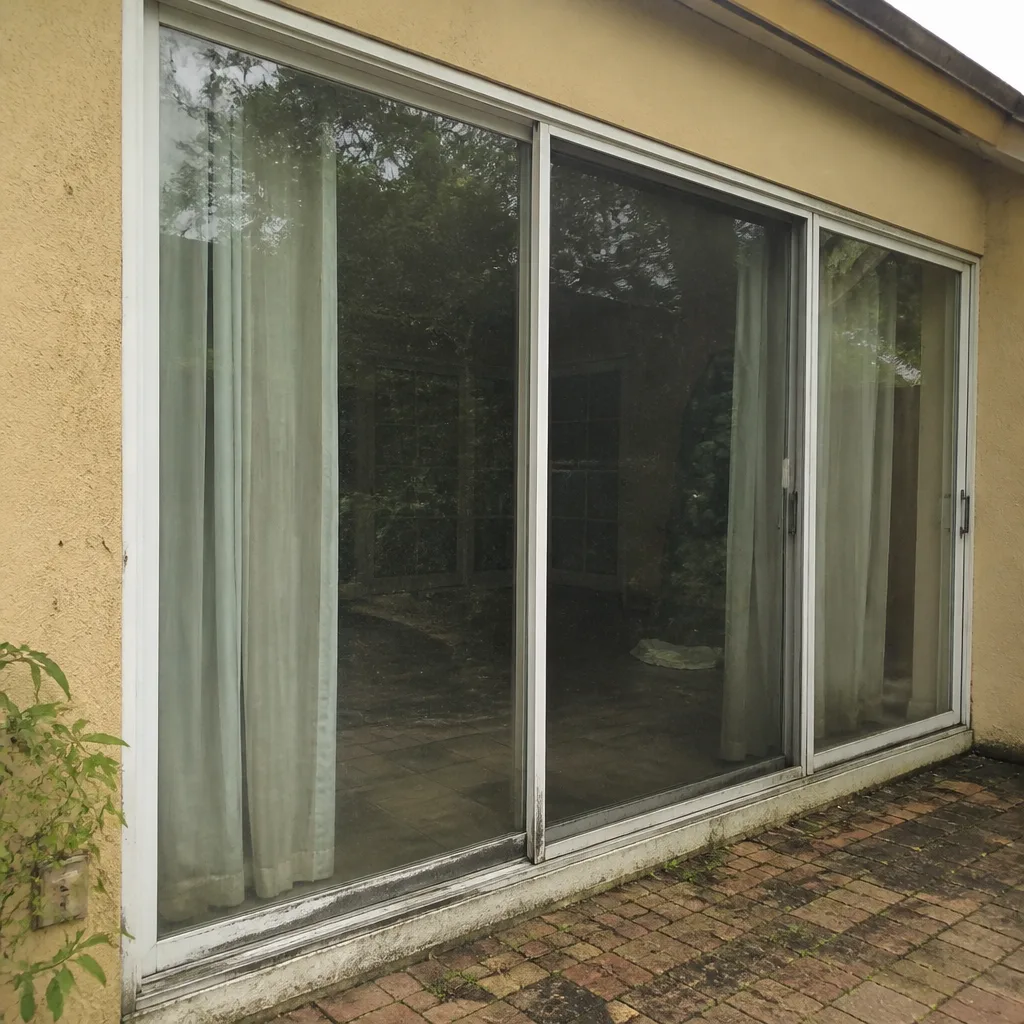 Before
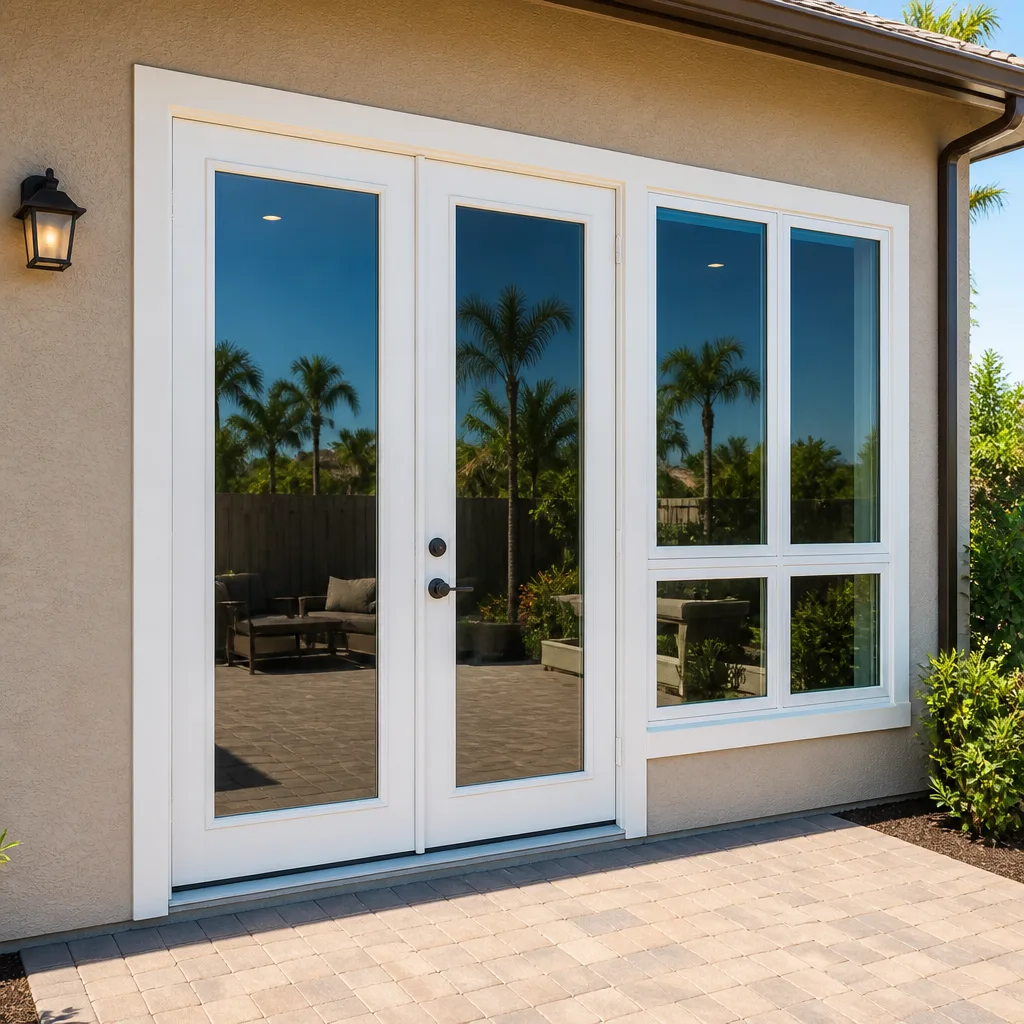 After
AfterTable of Contents
- Florida Building Code vs. Broward County HVHZ: The Two-Tier System
- How the NOA System Works (and How to Read the Number)
- The Permit Application Sequence for Miramar Window Replacement
- What Inspectors Check at Rough and Final
- Legal and Insurance Consequences of Unpermitted Work
- Permit Costs and Review Timelines in Broward County
- Selecting Products That Pass Both Tiers
- Common Mistakes to Avoid
- When to Call a Professional
- Frequently Asked Questions
- The Bottom Line
Florida Building Code vs. Broward County HVHZ: The Two-Tier System
Florida operates under a single statewide building code, but the Florida Building Code explicitly allows counties in the High-Velocity Hurricane Zone to adopt stricter amendments. Broward County does this. So does Miami-Dade. Palm Beach County does not. This creates a compliance map that looks simple on paper and proves expensive in practice.
The baseline Florida Building Code sets wind-load requirements by region. For most of Florida, a residential window must resist design pressures calculated from wind speeds of 160 to 180 miles per hour, depending on exposure category and building height. Broward County’s HVHZ amendments raise the threshold for specific zones and add testing requirements that go beyond the statewide minimum.
Here is where the two tiers diverge in practice:
- Wind-load calculations: The statewide code uses ASCE 7 methods with Florida-specific wind speed maps. Broward HVHZ amendments require additional pressure calculations for corner and edge zones of the building envelope, often resulting in higher design pressure ratings for the same opening.
- Anchor and fastening schedules: Statewide code specifies minimum anchor diameter and embedment depth. Broward amendments reduce maximum anchor spacing and require stainless steel or hot-dip galvanized fasteners in specific exposure conditions - a requirement that adds cost but prevents corrosion failure in salt-air environments like eastern Miramar.
- Product approval scope: A window approved under the Florida Building Code statewide product approval system may not automatically qualify for HVHZ installation. The product needs either a Miami-Dade NOA (which covers HVHZ by reciprocity) or a specific Broward County product approval.
- Impact resistance: Both tiers require impact-rated products in wind-borne debris regions, but Broward’s HVHZ amendments specify large-missile impact testing for all products, where statewide code allows small-missile testing for certain upper-floor installations.
The amendment schedule itself is published by Broward County Building Code Division and updated on a rolling basis. The current schedule references specific editions of ASTM standards, Florida Test Protocols, and Miami-Dade test methods. We keep the current amendment schedule on file at our Miramar office because manufacturer specifications change, and a product that qualified under the 2020 schedule may need re-evaluation under the 2023 schedule.
For homeowners in Miramar’s eastern neighborhoods - areas like Monarch Lakes or Sunset Lakes, closer to the coast - the salt-air exposure classification often triggers additional fastening requirements even when the wind speed map suggests standard compliance would suffice. We’ve documented this in our measured surveys: the same window specification works for a home west of Palm Avenue but requires upgraded anchors two miles east.
How the NOA System Works (and How to Read the Number)
The Notice of Acceptance is Florida’s product approval document for building envelope components. It certifies that a specific product configuration - exact glass type, frame dimension, hardware set, and installation method - has passed the required testing. An NOA is not a general product endorsement. It is a narrow, conditional approval tied to a specific build.
Reading the NOA number tells you where the product is valid. This is the detail that trips up contractors from outside South Florida.
NOA numbers follow a pattern. A Miami-Dade County NOA begins with a prefix indicating the issuing jurisdiction and includes a version number tied to the test protocol edition. A Florida statewide product approval uses a different numbering system entirely. Broward County accepts Miami-Dade NOAs for HVHZ installations through a reciprocity agreement, but it does not accept most other county approvals or generic statewide approvals for HVHZ zones.
Here is how to verify what you have:
- Locate the NOA number on the product label or in the contractor’s documentation. It should be a current, unexpired document.
- Check the issuing jurisdiction. “Miami-Dade County” or “MDC” in the header means HVHZ coverage through reciprocity. “Florida Building Commission” or similar statewide language means HVHZ coverage is not automatic.
- Verify the product configuration matches your installation exactly - same series, same frame depth, same glazing option, same anchoring method. A PGT WinGuard with laminated glass and a PGT WinGuard with monolithic glass are different NOAs.
- Confirm the NOA expiration date. Manufacturers renew these, but a lapsed NOA means the product cannot be permitted until renewal is published.
- Cross-reference the installation instructions in the NOA with your contractor’s planned method. Inspectors check this. We’ve seen final inspections fail because a contractor used the standard PGT anchor spacing instead of the reduced spacing required in the HVHZ supplement.
The NOA also specifies the design pressure rating in pounds per square foot. This number must meet or exceed the calculated requirement for your specific opening. In Miramar, we regularly see calculated requirements of 50 to 75 psf for first-floor windows in single-story homes, and 80 to 110 psf for two-story structures in eastern exposure zones. The NOA rating printed on the label must match the engineer’s calculation or the permit cannot be issued.
At Sightline Windows & Doors Miramar, we verify NOA validity before quoting. The measured survey we provide includes the required design pressure for each opening and the specific NOA number of the product we specify. This is standard documentation, not an add-on.
The Permit Application Sequence for Miramar Window Replacement
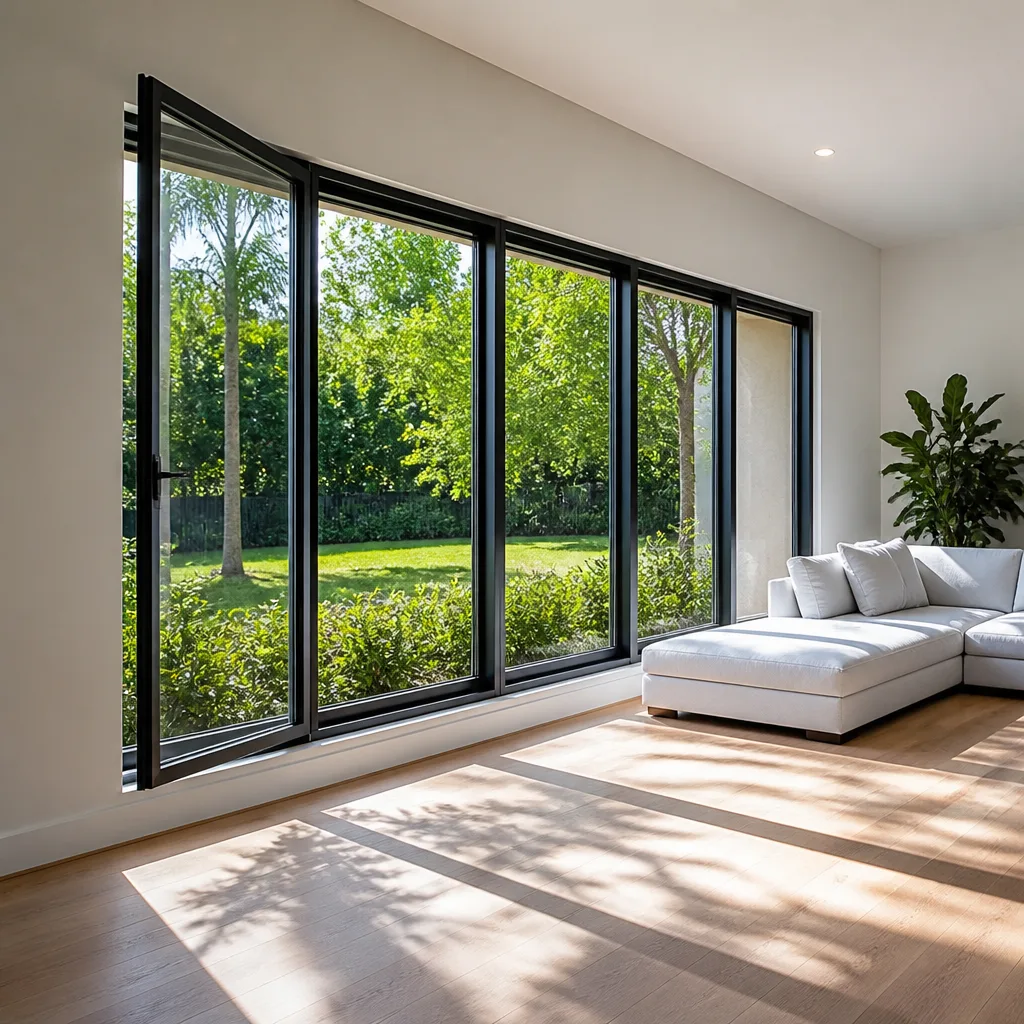
Permit application in Broward County follows a defined sequence. Understanding the sequence prevents the most common delay: submitting incomplete documentation and waiting two weeks for a rejection.
Required documents before submission:
- Property survey or site plan showing building footprint and opening locations
- Window and door schedule listing each opening by room, with dimensions, product manufacturer, series, and NOA number
- Engineered drawings or manufacturer installation details showing anchoring method and spacing
- Energy compliance documentation (Florida Energy Code compliance, typically via NFRC label values for U-factor and SHGC)
- Contractor license information and insurance certificate
- Homeowner authorization if the contractor is pulling the permit
The Miramar building department processes permits through the Broward County E-Permitting system. Residential window replacement typically falls into one of two tracks:
- Over-the-counter pull: Available for like-for-like replacement with no structural modification, no change in opening size, and no relocation of doors. Requires complete documentation but no plan review queue. Typically issued same day or within 48 hours if submitted online with no errors.
- Plan review required: Triggered by structural changes, new openings, enlargement of existing openings, or installations in buildings with special structural systems. Review timeline is 10 to 15 business days for residential work, longer during peak season (March through June).
Plan review triggers include:
- Converting a window to a sliding glass door or vice versa
- Enlarging any opening by more than 12 inches in width or height
- Installation in a masonry wall where the existing lintel must be modified or replaced
- Work on buildings designated as historic or in a historic district
- Properties with outstanding code violations or open permits
We pull permits for every window installation in Miramar we perform. The homeowner receives a copy of the permit application, the approved permit, and all inspection results. This documentation becomes part of the property record and is transferred at sale.
One Miramar-specific note: properties in the Miramar Cultural Arts District or with county-designated historic status require additional review by the Broward County Historic Preservation Board. This adds 15 to 30 days to the timeline and requires documentation of the existing fenestration pattern. We identify this status during our initial measured survey and flag it in the written scope.
What Inspectors Check at Rough and Final
Broward County requires two inspections for window and door installation: rough inspection and final inspection. Each has a specific checklist derived from the Florida Building Code and the HVHZ amendment schedule. Understanding what inspectors look for helps homeowners evaluate contractor quality and anticipate potential failures.
Rough inspection checklist:
- Opening preparation: Framing is plumb, square, and within 1/4 inch of specified dimensions. Existing damage to surrounding structure is repaired. Water intrusion damage is documented and remediated.
- Anchor layout: Anchor spacing matches the NOA and engineered drawings. In HVHZ zones, maximum spacing is typically 12 inches on center for perimeter anchors, reduced to 8 inches in corner zones. Inspectors measure this with a tape.
- Anchor embedment: Fasteners penetrate structural framing or concrete/block to the depth specified in the NOA. For Tapcon-style anchors in concrete, this is typically 1-1/2 inches minimum embedment. For wood framing, 1-1/4 inches into solid lumber.
- Buck attachment: The window buck (frame surround) is secured to the opening perimeter with corrosion-resistant fasteners. Buck material matches specification - pressure-treated lumber, PVC, or aluminum as approved.
- Flashing integration: Head flashing is installed with proper lap sequence (bottom, sides, top) and extends to the weather-resistant barrier. Sill pan flashing is continuous and sloped to drain.
- Weather-resistant barrier continuity: WRB is intact around the opening, with proper integration at flashing terminations. No gaps, no compressed insulation blocking drainage.
Rough inspection failure is common when contractors rush to close walls. We’ve re-inspected jobs where the contractor skipped the sill pan entirely or used non-galvanized roofing nails for anchors in a salt-air zone. The inspector sees corrosion potential and fails the job. The correction requires removing the window, installing proper flashing, and re-inspecting - a two-week delay minimum.
Final inspection checklist:
- Product verification: Installed product matches the permitted manufacturer, series, and NOA. Inspectors check labels. We’ve seen failures where a contractor substituted a non-impact window in a back bedroom, assuming it wouldn’t be noticed.
- Anchor verification: Final inspection confirms anchors are visible and properly tightened, with no stripped fasteners. Some inspectors require torque verification on structural anchors.
- Sealant bead width and continuity: Perimeter sealant is continuous, minimum 3/8 inch width, with proper backer rod and tooling. Joint dimensions match sealant manufacturer specifications for movement capability.
- Operational testing: Windows open, close, and lock. Doors latch and deadbolt. Hardware functions as specified. Screens are installed if part of the approved product.
- Impact protection verification: For impact-rated products, inspector verifies the impact-resistant glazing is intact, with no field modifications that void the NOA. Tempered glass spandrels or applied films are not acceptable substitutes.
- Energy label verification: NFRC labels are visible and match the submitted energy compliance documentation. Labels are typically on the sash or frame edge.
- Documentation: As-built drawings, test reports, and manufacturer installation certificates are submitted if required by the permit conditions.
The final inspection is where the two-tier system catches errors that passed rough. A window can be properly flashed and anchored yet fail final because the product NOA doesn’t cover HVHZ, or because the design pressure rating is insufficient for the specific opening location. We’ve corrected three such failures in Miramar since 2020, all involving contractors who understood flashing but missed the product approval tier. These cases illustrate why we publish Windows & Doors Warning Signs: A Miramar Homeowner’s Reference Guide.
Our window replacement in Miramar includes documented photo records at rough and final stages. The customer receives these images with the inspection results. This is Haven Clause 4: Evidence on every job.
Legal and Insurance Consequences of Unpermitted Work
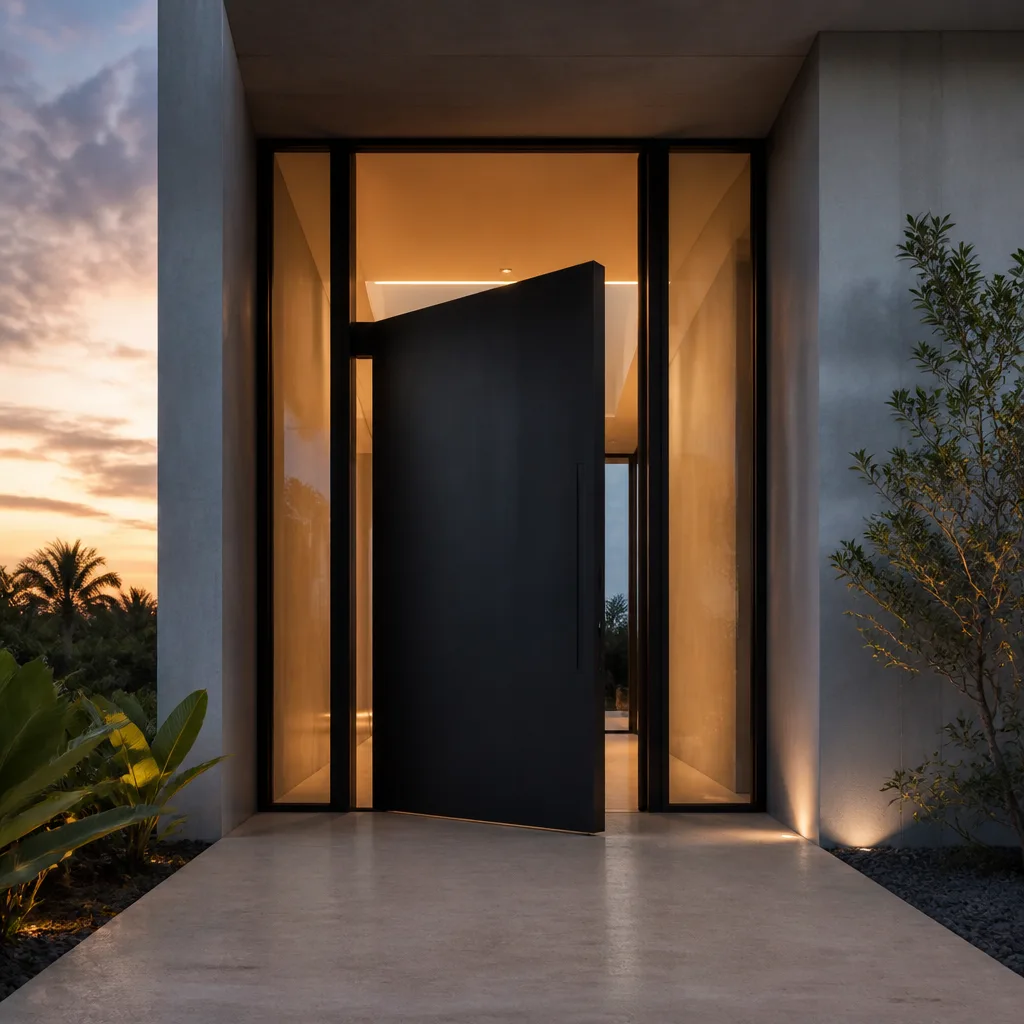
Unpermitted window and door installation in Broward County carries consequences beyond code enforcement fines. The risks accumulate in three areas: municipal penalties, insurance claim denial, and property transfer liability.
Municipal penalties: Broward County can issue a notice of violation for unpermitted work, with fines starting at $250 per day for active violations and escalating for repeat offenses. The county can require removal of unpermitted installations at the owner’s expense. In Miramar, code enforcement operates under Broward County authority with additional city nuisance provisions. We’ve seen cases where a neighbor complaint triggered inspection of an entire property, revealing multiple unpermitted improvements.
Insurance claim denial: Florida homeowner’s insurance policies contain provisions requiring structures to meet applicable building codes at the time of installation. An unpermitted window that fails during a storm creates a coverage dispute. The insurer can deny the claim for the window and associated water damage, arguing the installation was defective from inception. Even if the denial is challenged, the homeowner bears the burden of proof and legal costs.
More specifically, Citizens Property Insurance Corporation, Florida’s insurer of last resort, requires documentation of permit compliance for wind mitigation credits. An unpermitted impact window installation cannot receive the wind mitigation discount, meaning the homeowner pays higher premiums indefinitely while receiving no credit for the investment.
Property transfer liability: Florida property disclosure law requires sellers to disclose known code violations and unpermitted work. An unpermitted window installation must be disclosed, typically reducing sale price or requiring escrow holdbacks for correction. Cash buyers and investors may accept the liability, but financed purchases require clear title and often trigger lender-mandated repairs before closing.
In Miramar’s active resale market, we’ve been called to provide second opinions on disclosure documents where unpermitted work was identified during buyer inspection. Our free second opinion service reviews competitor estimates and existing documentation to determine what permits exist and what corrections are needed. Call (754) 260-1468 to schedule this review.
Permit Costs and Review Timelines in Broward County
Permit costs in Broward County are calculated from a fee schedule based on project valuation. For residential window and door replacement, the relevant costs are:
- Permit base fee: $85 to $150 for residential window/door replacement, depending on number of openings
- Plan review fee: 50% of permit fee if plan review is required; waived for over-the-counter pulls
- Impact fee: Not typically assessed for replacement work; new construction and additions trigger impact fees
- Re-inspection fee: $75 per re-inspection after initial failure
- Certificate of completion: Included in base fee
Timeline expectations:
- Over-the-counter permit: Same day to 48 hours for online submission with complete documentation
- Plan review: 10 to 15 business days, extending to 20+ days during peak season
- Rough inspection scheduling: 1 to 3 business days after request, weather dependent
- Final inspection scheduling: 1 to 3 business days after request
- Total project duration with permits: 2 to 4 weeks for standard replacement, 4 to 8 weeks if plan review is required
These timelines assume complete, accurate documentation. The most common delay is submitting an NOA that doesn’t cover the specific product configuration or installation zone. We verify all documentation before submission as part of our standard process.
Selecting Products That Pass Both Tiers
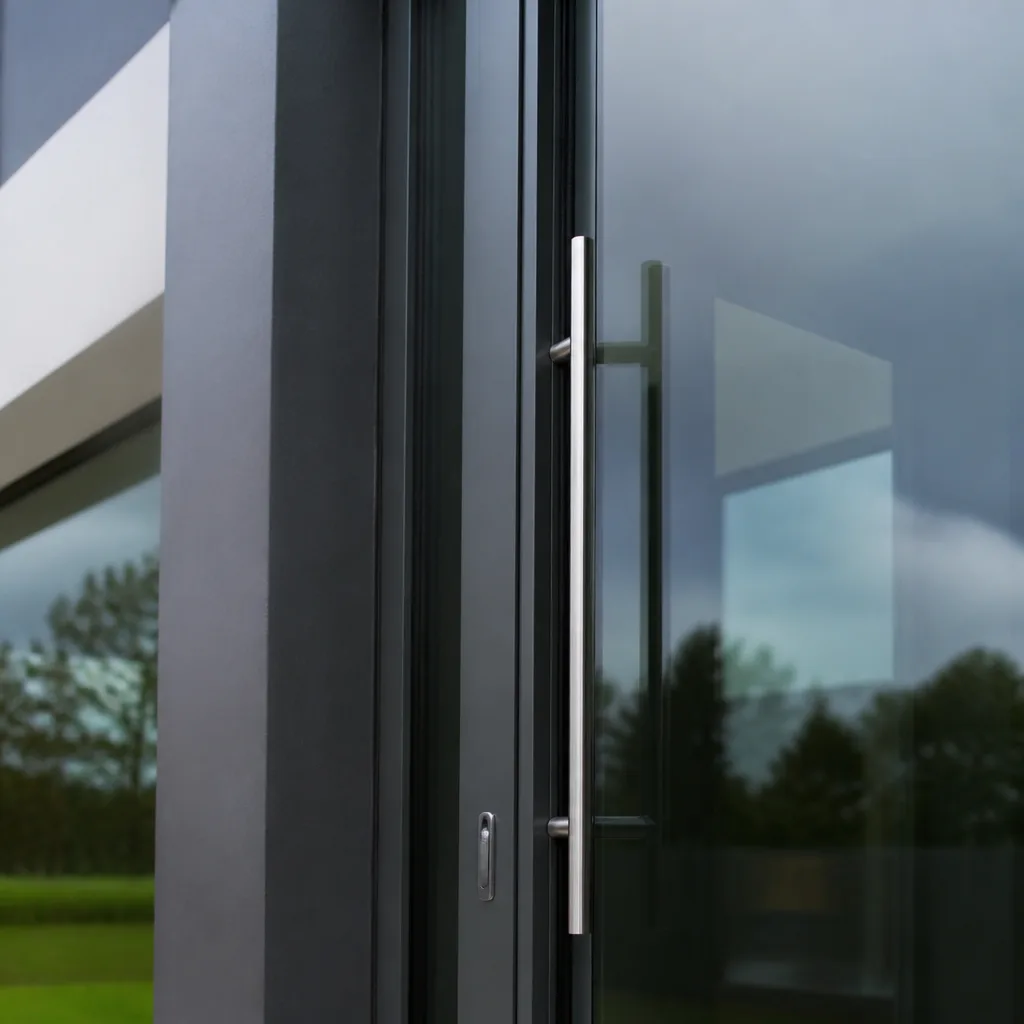
Product selection for Broward County requires matching three variables: the structural requirement (design pressure), the impact requirement (large-missile or small-missile), and the approval jurisdiction (statewide, Miami-Dade NOA, or Broward-specific).
We specify products from our eight manufacturer lines based on performance tier and price range, not inventory convenience. For Miramar installations, the typical selection logic follows this pattern:
- Coastal exposure, maximum impact protection: PGT WinGuard or CGI Estate Collection, both with Miami-Dade NOAs covering HVHZ, large-missile impact ratings, and design pressures to 100+ psf. These are premium-tier products with corresponding price ranges.
- Inland Miramar, impact-rated, value tier: ECO Window Systems or CWS series with HVHZ-compliant NOAs, large-missile rating, and design pressures to 75 psf. Suitable for western Miramar neighborhoods where wind speed maps show reduced requirements but impact rating is still mandatory.
- Energy-focused replacement, non-impact option where allowed: ES Windows or ViewLux series with statewide Florida product approval, high-performance U-factor and SHGC values, and standard design pressures. Only applicable where the Florida Building Code does not mandate impact rating - increasingly rare in Broward County.
- Entry door systems: Therma-Tru fiberglass entry systems with HVHZ-compliant sidelite and transom options, specified with proper anchor blocking and threshold integration.
- Specialty glazing: Mr-Glass laminated and specialty glass products for custom openings, geometric windows, and specific aesthetic requirements, with NOA verification for each custom configuration.
The measured survey we provide includes the design pressure calculation for each opening and the specific product series that meets it. The written quote cannot differ from this document - Haven Clause 1. We do not substitute products after permit without written change order and re-submittal.
For door installation in Miramar, the same two-tier compliance applies. Sliding glass doors have higher design pressure requirements than windows of the same width due to their larger surface area. French doors and entry doors require additional anchoring at the hinge jamb to resist positive and negative pressure cycles. Our specifications account for these differences in the initial survey.
Common Mistakes to Avoid
- Pulling a statewide permit without checking HVHZ applicability. The Florida Building Code permit application asks for jurisdiction; selecting “statewide” instead of “Broward County HVHZ” creates a permit that cannot pass final inspection in Miramar.
- Accepting a product with a lapsed or non-reciprocal NOA. Always verify the NOA expiration date and issuing jurisdiction. A statewide Florida approval for a non-impact window is worthless in an HVHZ impact zone.
- Installing before rough inspection. Some contractors close walls and install finish trim before calling for rough inspection, hoping to hide anchor spacing errors. Inspectors can require removal of finish materials to verify compliance.
- Using the wrong anchor type for exposure. Standard zinc-plated screws fail in Miramar’s salt-air environment within 5 to 7 years. HVHZ amendments require corrosion-resistant fasteners; inspectors check for rust streaks at rough inspection.
- Neglecting energy compliance documentation. The permit requires U-factor and SHGC values for every product. Missing labels or mismatched documentation triggers plan review rejection.
- Assuming a Miami-Dade NOA covers all Broward installations. While Miami-Dade NOAs have reciprocity for HVHZ, they must explicitly list the product configuration being installed. A Miami-Dade NOA for a 60″ x 48″ window does not cover a 72″ x 60″ custom size.
- Failing to disclose unpermitted work at property sale. Florida disclosure forms specifically ask about permits. Nondisclosure exposes sellers to post-sale liability and buyer rescission rights.
When to Call a Professional
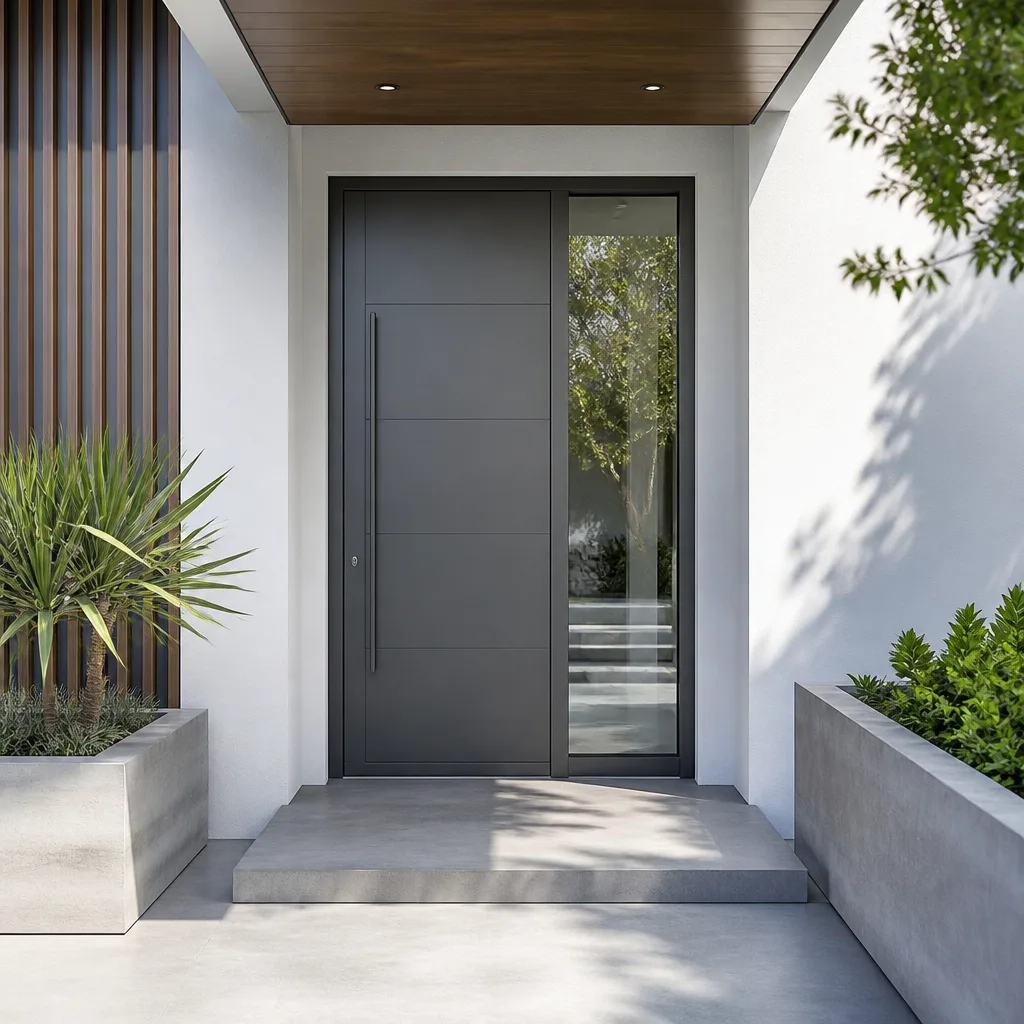
Call a licensed contractor when your project involves structural modification, product specification uncertainty, or any installation in Broward County’s HVHZ zone. See DIY vs Professional Windows & Doors: The Miramar Homeowner’s Decision Guide for help deciding. The two-tier compliance system is not intuitive, and the cost of correction exceeds the cost of proper initial work.
Specific scenarios that warrant professional involvement: converting window openings to door openings; installing products in buildings with stucco or EIFS cladding where flashing integration is critical; replacing windows in concrete block construction where anchor embedment depth must be verified; any project requiring plan review; and all installations where insurance wind mitigation credits are desired.
Sightline Windows & Doors Miramar offers free estimates in Miramar. Every estimate includes a measured survey you keep, a written scope with product specifications and NOA numbers, and a fixed price that does not change once work starts. Call (754) 260-1468 to schedule. We also provide free second opinions on any written estimate from another contractor.
Frequently Asked Questions
Yes. All window and door replacement in Miramar requires a permit under Broward County’s adoption of the Florida Building Code, with additional HVHZ amendments for wind-load and impact requirements. Call (754) 260-1468 to schedule a free estimate that includes permit handling.
Residential window and door permits in Broward County typically cost $85 to $150 for the base fee, plus $75 per re-inspection if corrections are needed. Plan review adds 50% of the base fee. Sightline includes permit costs in our written quotes with no hidden add-ons.
Over-the-counter permits with complete documentation issue in 1 to 2 business days. Plan review takes 10 to 15 business days. Total project time from permit to final inspection is 2 to 4 weeks for standard replacement. We handle all submittals and scheduling.
A Florida product approval is issued under the statewide building code and does not automatically cover HVHZ installations. A Miami-Dade NOA is accepted in Broward County HVHZ through reciprocity. Always verify the NOA number covers your specific product configuration and installation zone.
Probably not. Florida insurers can deny claims for unpermitted work, and Citizens Property Insurance specifically requires permit documentation for wind mitigation credits. Unpermitted impact windows provide no premium reduction. We pull permits for every installation and provide documentation for your insurance file.
The inspector issues a correction notice listing specific deficiencies. The contractor makes corrections and requests re-inspection, which costs $75 in Broward County. Common failures include anchor spacing errors, missing flashing, and product substitution. Our documented photo record at rough inspection prevents most failures before they occur.
Homeowners can pull owner-builder permits in Florida, but you assume full responsibility for code compliance, inspection scheduling, and correction of deficiencies. In Broward County HVHZ, the technical requirements for product approval, anchor engineering, and inspection documentation are substantial. Most homeowners find the liability exposure exceeds any permit fee savings.
The Bottom Line
Florida’s window and door permit system operates in two tiers: the statewide Florida Building Code and Broward County’s HVHZ amendments. A legal, insurable installation requires products with valid HVHZ-compliant NOAs, permits pulled with correct jurisdiction designation, and passage of both rough and final inspections verifying anchor spacing, buck attachment, and sealant continuity. The cost of getting this wrong - removal, reinstallation, insurance denial, or sale liability - far exceeds the cost of proper initial work. Document everything, verify every NOA, and work with contractors who put the compliance details in writing before any work starts. Explore more guides & resources on our blog.
Written by Sonia Raman, Owner at Sightline Windows & Doors Miramar, serving Miramar since 2012.
Six Reasons Homeowners Choose Sightline Windows & Doors Miramar
Impact systems engineered to design pressures up to +/-100, matched to your wind zone - your openings hold when the storm arrives.
Low-E insulated impact glass from our manufacturer lines commonly cuts monthly cooling bills 20-30%.
Laminated impact glass shuts out up to 40% of outside noise - traffic, neighbors, weather.
Monitoring services run $30-90 a month. Laminated impact glass resists forced entry around the clock, with no subscription.
Florida homeowners average around 25% savings on the windstorm portion of their policy after protecting every opening - some homes qualify for more.
A full impact package upgrades curb appeal, buyer confidence and appraised value in one project.
Other Sightline Windows & Doors Miramar Services