Last updated September 24, 2026
New windows and doors improve comfort, cut energy bills and add long-term value to your home. Sightline Windows & Doors Miramar pairs proven product lines with our own installing crews for lasting performance - and a price we put in writing.
1. Choose your installer
The unit is half the job - the install is the other half. Our own background-checked crews measure, set, seal and insulate every opening, and they know the lines we quote inside and out because they install them every week.
2. Select the right products
Compare styles, materials and glass packages side by side until the fit is right for your rooms, your budget and your goals. The product-line comparison below is the place to start.
3. Prepare your home for install
Before install day we walk you through a short checklist - furniture pulled back, treatments down, a clear path to each opening - so install day is watch-it-happen, not scramble.
Compare the Lines We Quote
Every project is priced on the same lines, side by side - the price indicators below are relative, and your consultant shows exact numbers on your actual openings.
PGTThe line Florida homeowners arrive naming - the most Miami-Dade certifications in the industry$$$
- More Miami-Dade NOA certifications than any other line we quote
- WinGuard, EnergyVue and ClassicVue Max systems built for every wind zone
- 99% on-time delivery keeps your install date on the calendar
CGIThe heavyweight impact line$$$$$
- Large-missile impact ratings for the strictest wind zones
- Architectural-grade aluminum with commercial-depth frames
- The line we quote when protection is the whole point
CWSThe Florida value pick$$
- Vinyl systems built in Florida for Florida codes
- Strong energy packages at the friendliest price point
- The smart start for whole-home replacements on a budget
ESWSlim lines, big glass$$$$
- Narrow-sightline aluminum for modern elevations
- Oversized openings and floor-to-ceiling glass
- Impact-rated without the bunker look
ECOThe aluminum impact workhorse$$$
- Miami-built aluminum impact systems
- A strong price-to-protection ratio for coastal homes
- Proven inventory lines with short lead times
Seasonal Windows & Doors Care for Miramar: Year-Round Homeowner’s Guide
The Florida hurricane season ends November 30 by NOAA’s calendar, but the window hardware damage it accelerates - corroded multi-point locks, compressed weatherstripping, warped door thresholds - typically doesn’t show up until February, when homeowners in Miramar have stopped thinking about storm prep. We’ve measured this lag on thousands of openings across Broward County since 2012: the failure mode you ignored in September becomes the warranty dispute you lose in March. This guide maps the actual two-cycle stress calendar for Miramar’s windows and doors, with specific inspection points, photo documentation protocols, and the maintenance intervals that preserve both performance and coverage; for a structured version, see our Window Installation Maintenance Checklist for Miramar Homeowners.
Quick Answer

Windows and doors in Miramar need care on a two-cycle schedule, not a traditional four-season calendar. The June-through-November hurricane and humidity load demands pre-season hardware verification and post-storm frame checks; the December-through-May salt accumulation and UV oxidation period requires monthly frame cleaning, hardware lubrication, and corrosion monitoring at dissimilar metal junctions. Document every interval with dated photos to preserve warranty standing and insurance documentation.
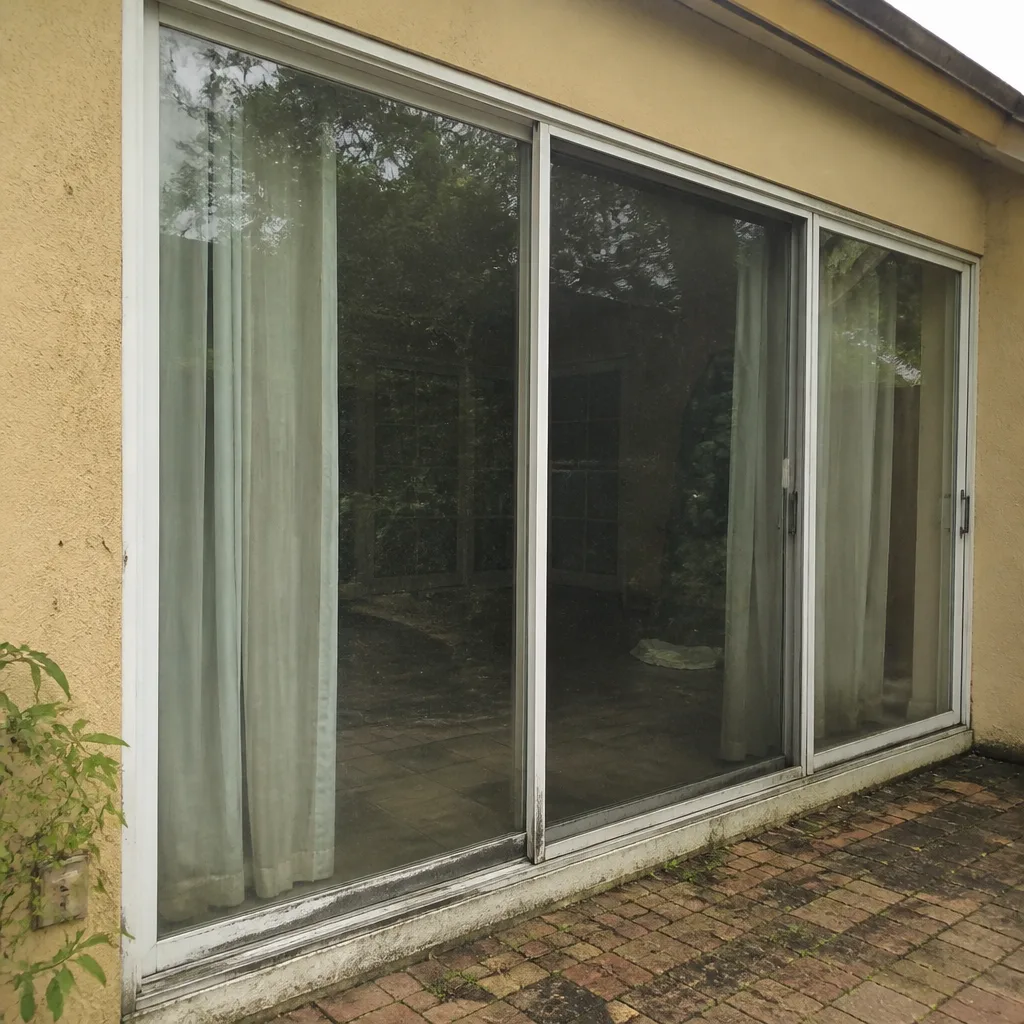 Before
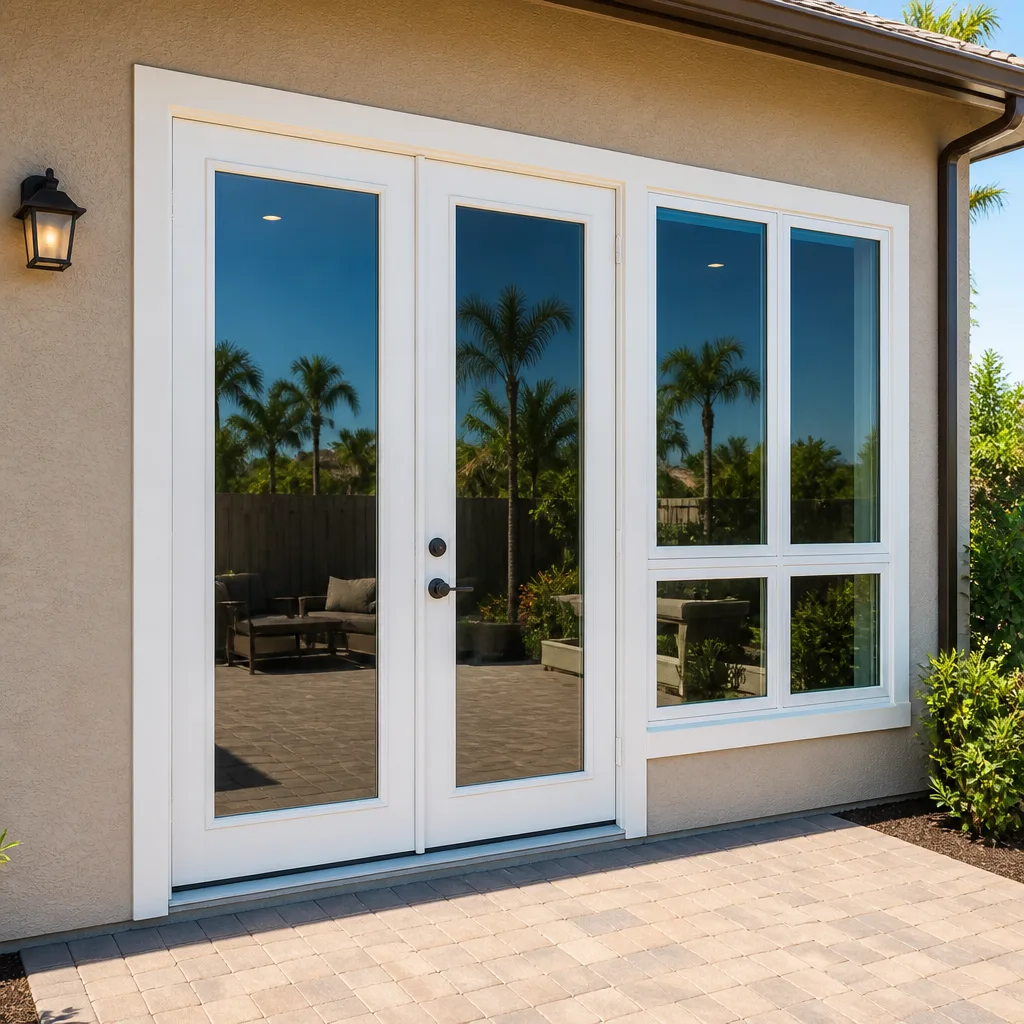 After
AfterTable of Contents
- Pre-Season Checklist: April-May Storm Preparation
- Mid-Season Protocol: July-September Storm Event Inspection
- Post-Season Assessment: November-December Hardware Audit
- Dry Season Salt Accumulation Schedule: January-March
- Building a Rolling Photo Log for Warranty & Insurance
- Miramar-Specific Climate and Code Factors
- Product-Specific Care by Manufacturer Line
- Common Mistakes to Avoid
- When to Call a Professional
- Frequently Asked Questions
Pre-Season Checklist: April-May Storm Preparation
By late April in Miramar, the afternoon convection pattern has shifted from scattered showers to sustained southerly flow carrying Gulf moisture across the peninsula. This is the window to establish baseline conditions before the first tropical wave organizes. We schedule our pre-season surveys in Miramar between April 15 and May 20, after the last cold front and before the National Hurricane Center begins issuing tropical weather outlooks with any regularity.
The inspection has three components: hardware function, glazing integrity, and drainage verification. Each produces a measurable condition that you can photograph and date.
Hardware Tests for Impact Door Multi-Point Locks
Impact-rated doors from Door Installation in Miramar manufacturers like Therma-Tru and PGT rely on multi-point locking systems - typically three to five locking points along the stile that engage simultaneously when the handle is lifted. These mechanisms are brass or zinc alloy, seated in aluminum or vinyl frames, and they corrode differentially.
Test each point in sequence:
- With the door open, lift the handle to the locked position and verify each bolt extends fully into its strike plate. A bolt that extends 80% of its travel will fail under pressure; measure or photograph the gap.
- Close the door and engage the lock. Apply 25 pounds of lateral pressure at the handle - roughly the force of a sustained 70-mph gust on a standard 3’0″ door. The latch should not slip or rattle.
- Cycle the lock 10 times. Any grinding, catching, or variation in handle resistance indicates internal corrosion or spring fatigue. Lubricate with a dry PTFE lubricant, not WD-40, which attracts salt residue.
Document each test with a photo showing the date stamp, the door location, and the lock face. This is your pre-season baseline under the Haven Standard’s Evidence clause.
Glazing Bead Inspection
Glazing beads are the vinyl or rubber strips that retain the glass lite within the sash. In Miramar’s UV environment, these harden and shrink, creating gaps where wind-driven rain penetrates. On impact-rated units from CGI or ES Windows, the bead also retains the laminated interlayer that gives the glass its missile-impact resistance.
Inspect each bead for:
- Cracking or crazing visible under raking light (hold a flashlight at 15 degrees to the glass surface)
- Retraction from the frame corners exceeding 1/8 inch
- Loss of elasticity when pressed with a fingernail - a fresh bead rebounds; a degraded bead holds the indentation
Replace degraded beads before June. A bead that fails during a storm event voids the water intrusion warranty on most manufacturer lines, including PGT and CWS.
Weep Hole Clearing
Weep holes are the drainage ports at the sill of vinyl and aluminum windows. In Miramar, they clog with salt crust, insect debris, and the fine limestone dust from surrounding construction. Blocked weep holes trap water in the sill track, which overflows into the wall cavity during a driving rain event.
Clear weep holes with a pipe cleaner or compressed air at 30 PSI maximum. Higher pressure can deform the internal baffles. Verify drainage by pouring 8 ounces of water into the track; it should exit the weep hole within 30 seconds. Photograph the cleared hole with a ruler for scale.
Mid-Season Protocol: July-September Storm Event Inspection
The mid-season protocol applies after any storm event with sustained winds above Category 1 threshold (74 mph) at your location in Miramar. This is not a full structural assessment; it is a targeted inspection for damage that will propagate if left unaddressed through the remainder of the season.
We developed this protocol after Hurricane Irma in 2017, when we documented frame racking on 23% of installed openings in western Miramar - damage that was invisible from the interior and did not produce immediate water intrusion. By January, those racked frames had opened sealant joints that required full sash replacement rather than repair.
Frame Racking Checks
Frame racking is the distortion of the window or door frame from its original rectangular geometry, measured as the difference in diagonal dimensions. A racked frame stresses the glass, degrades weatherstrip contact, and eventually cracks the sealant bond to the rough opening.
Measure frame racking with a tape measure at the interior reveal:
- Measure the diagonal from the upper left corner to the lower right corner of the frame interior
- Measure the opposing diagonal
- Record the difference. A variance exceeding 1/4 inch on a standard window or 3/8 inch on a patio door indicates racking that requires professional assessment
Photograph both measurements with the tape clearly visible. This documentation is essential for insurance claims; adjusters routinely deny frame damage as “pre-existing” without dated measurement evidence.
Sealant Micro-Crack Identification
The sealant bead between the window frame and the exterior cladding is the primary water barrier. In Miramar’s heat-cycling environment, this sealant develops micro-cracks - openings below 1/32 inch that do not leak in normal rain but fail under wind-driven pressure.
Inspect sealant with a 10x loupe or the macro lens on a modern smartphone. Look for:
- Parallel cracking perpendicular to the frame edge (thermal cycling fatigue)
- Delamination from either the frame or the wall surface (adhesive failure)
- Bubbles or voids that indicate moisture intrusion behind the sealant
Mark suspect areas with painter’s tape and photograph at maximum resolution. Sealant micro-cracks are repairable; full delamination requires removal and reapplication.
Post-Event Hardware Re-Test
Re-test all multi-point locks and sliding door rollers within 48 hours of a significant storm event. The pressure cycling of a storm can shift frame alignment enough to change lock engagement geometry. A lock that tested clean in April may bind or fail to fully engage after September stress.
Post-Season Assessment: November-December Hardware Audit
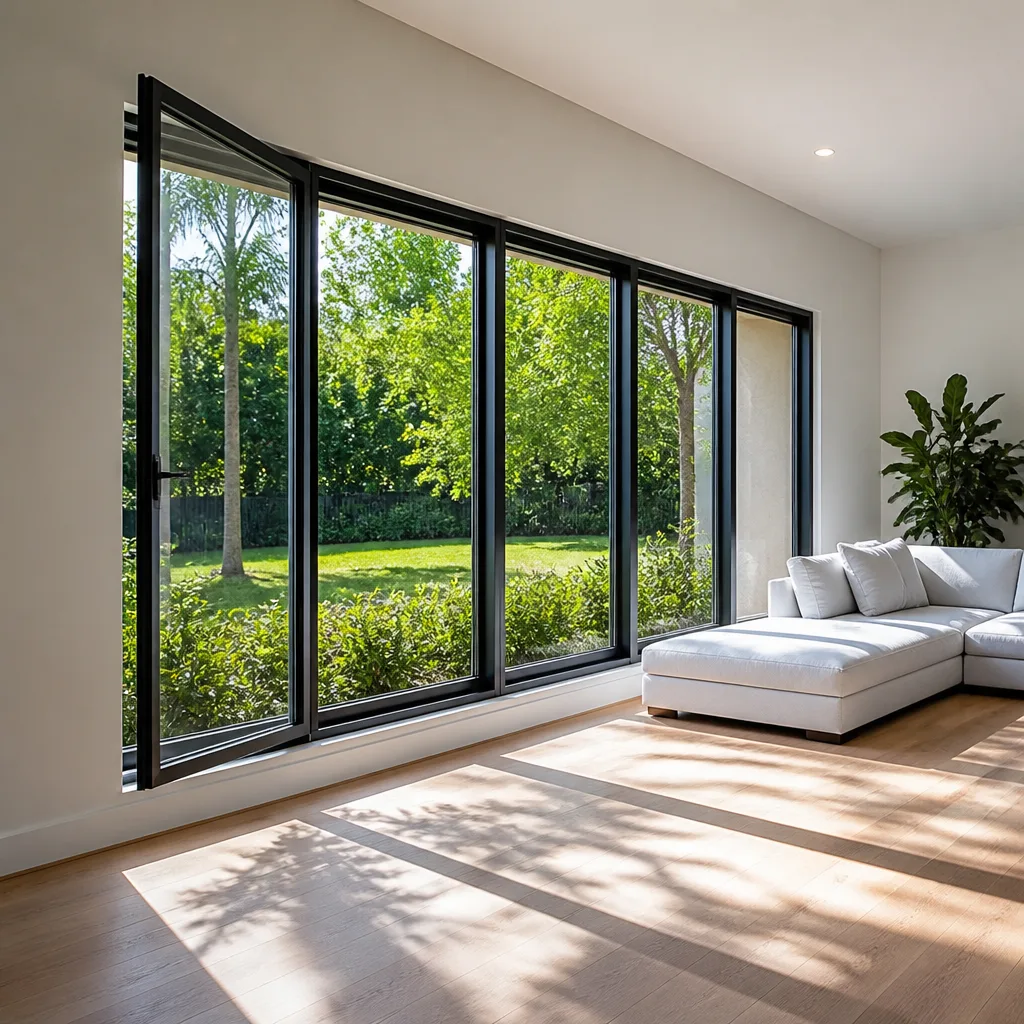
By November 30, the tropical Atlantic has quieted and Miramar homeowners shift attention to holiday schedules. This is exactly when the deferred damage from six months of pressure cycling becomes inspectable. The post-season assessment focuses on items that degrade under repeated load but do not fail catastrophically - the gradual degradation that, if unaddressed, becomes the dry-season failure.
Weatherstripping Compression Set
Weatherstripping on operable windows and doors compresses permanently under sustained pressure. In Miramar, this is accelerated by the heat-softening of vinyl and EPDM compounds. A weatherstrip that has lost 30% of its original thickness no longer seals against wind-driven rain.
Measure weatherstrip thickness at the point of maximum compression (typically the latch side of a casement or the meeting stile of a double-hung). Compare to an uncompressed sample from the same unit, or to the manufacturer’s specification. Replacement weatherstripping is available from PGT, CGI, and most major lines; match the compound type (vinyl, EPDM, silicone, or brush pile) to the original specification.
Threshold Warp and Seal Degradation
Door thresholds in Miramar take the worst exposure: direct UV, standing water from track drainage, and the impact load of foot traffic. Aluminum thresholds oxidize; composite thresholds warp; adjustable thresholds lose their seal height setting.
Check threshold function with a straightedge and feeler gauge:
- Lay a 24-inch straightedge across the threshold perpendicular to the door swing
- Measure the maximum gap between straightedge and threshold surface with feeler gauges
- Any gap exceeding 1/16 inch indicates warp that will compromise the door bottom seal
- On adjustable thresholds, verify the seal height against the door sweep with the door closed - the sweep should contact the seal along its full width with light resistance
Fastener Torque Verification
Hinge screws and lock strike screws loosen under the vibration of repeated door slams and wind pressure cycling. In Miramar’s salt air, loose fasteners accelerate galvanic corrosion by breaking the protective coating at the fastener head.
Verify hinge screw torque with a manual screwdriver - power drivers can strip the substrate. Screws should seat firmly without rotation. Any screw that turns freely indicates stripped threads or substrate decay that requires repair. Replace with stainless steel fasteners of equal or greater diameter; never downsize to make installation easier.
Dry Season Salt Accumulation Schedule: January-March
December through May in Miramar brings lower humidity, reduced rainfall, and sustained easterly trade winds carrying salt aerosol from the Atlantic. This is the corrosion season, disguised as the comfortable season. Salt accumulates on frames and hardware, attracts moisture from morning dew, and establishes electrolytic cells at every dissimilar metal junction.
The maintenance interval is monthly, not quarterly. Salt accumulation is visible as a white haze within 14 days of cleaning in coastal Miramar; in western neighborhoods near the Turnpike, the interval extends to 21 days.
Frame Cleaning Protocol
Clean frames with a solution of one ounce mild dish detergent per gallon of warm water. Avoid ammonia-based cleaners on vinyl; they plasticize the surface and accelerate UV degradation. Use a soft brush, not abrasive pads, on anodized aluminum - the anodized layer is thin and protects against salt corrosion.
Clean in this sequence:
- Rinse with fresh water to remove loose salt and grit
- Wash with detergent solution, working from top to bottom
- Rinse thoroughly - residual detergent is hygroscopic and attracts moisture
- Dry with a clean microfiber cloth; air-drying leaves water spots that mask corrosion indicators
Hardware Lubrication Schedule
Lubricate all moving hardware monthly during the dry season. Use dry PTFE lubricant on locks, hinges, and rollers; silicone spray on weatherstripping contact surfaces. Avoid petroleum-based lubricants; they gum in heat and attract salt particles.
Apply lubricant sparingly. Excess lubricant weeps onto the frame, collects dust and salt, and creates the exact corrosion you are trying to prevent. Wipe the nozzle with a clean cloth after each application point.
Galvanic Corrosion Identification
Galvanic corrosion occurs where dissimilar metals contact in the presence of an electrolyte - in Miramar, salt-laden dew. The most common junctions are stainless steel fasteners in aluminum frames, brass locks in zinc-coated steel reinforcements, and copper grounding conductors on aluminum cladding.
Early-stage galvanic corrosion appears as:
- White or gray powder at the fastener head or metal junction
- Pitting on the more anodic metal (typically aluminum) adjacent to the cathodic metal (typically stainless or brass)
- Staining on the frame surface below the junction, indicating active electrolyte flow
Document with macro photography. Early-stage corrosion is arrestable by separating the metals with a dielectric washer and applying a zinc-rich primer to the aluminum. Advanced corrosion requires component replacement.
Building a Rolling Photo Log for Warranty & Insurance
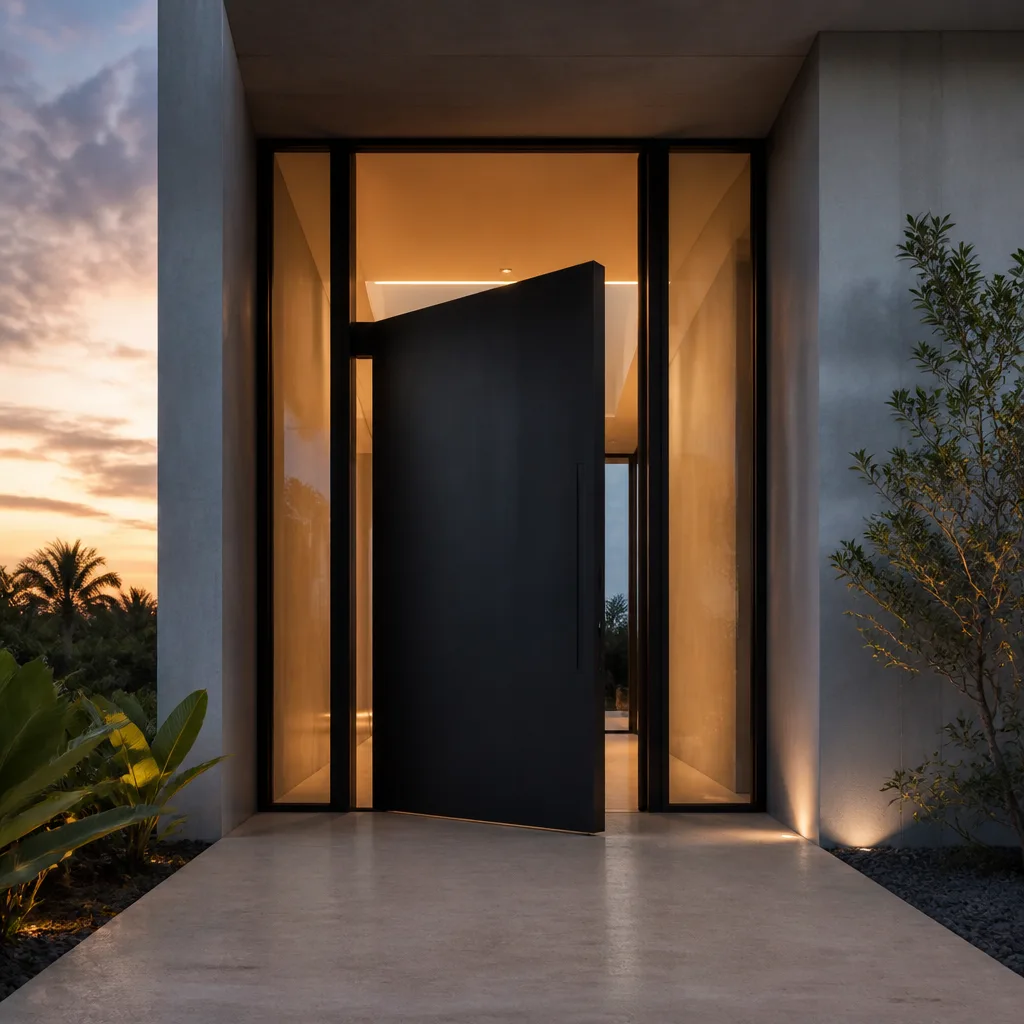
The Haven Standard’s Evidence clause requires documented photo records on every job Sightline completes. We extend that protocol to maintenance: a homeowner who maintains a dated photo log transforms a warranty claim from a disputed allegation into a supported assertion, as explained in more guides & resources on documentation best practices.
Insurance adjusters in Florida are specifically trained to deny window and door damage as “lack of maintenance” or “pre-existing condition.” A photo log with dates, measurements, and locations defeats both defenses.
Photo Log Structure
Create a digital folder for each opening, named by room and orientation: “Master Bedroom East Window,” “Kitchen Patio Door South.” Within each folder, maintain subfolders by date interval: “2024-04 Pre-Season,” “2024-09 Post-Irma,” “2024-12 Post-Season.”
Each interval requires minimum four photos:
- Wide shot of the full opening, showing frame, sash, and surrounding wall condition
- Close-up of the lock or operator hardware, with date stamp visible
- Sealant bead or weatherstrip detail, with ruler or coin for scale
- Any anomaly found, with annotation of measurement or observation
Store in cloud storage with automatic backup. Local storage on a single device fails when that device fails, typically during the claim process.
Measurement Documentation
Photos with measurements are admissible evidence; photos without are merely illustrative. Include the measuring tool in frame: tape measure for dimensions, feeler gauge for gaps, torque wrench for fastener verification. Write the measurement on a slip of paper and include it in the photo if your camera does not record metadata.
We provide measured surveys to every Window Installation in Miramar customer; maintain these as the baseline against which future measurements are compared. A frame that measured square at installation and measures racked at inspection has documented storm damage, not settlement.
Miramar-Specific Climate and Code Factors
Miramar occupies a transitional zone in Broward County’s wind-borne debris region. The eastern third of the city, roughly east of Palm Avenue, lies within the High-Velocity Hurricane Zone (HVHZ) as defined by the Florida Building Code; the western two-thirds do not. This distinction governs product selection, installation method, and inspection protocol.
HVHZ openings require impact-rated products with Miami-Dade County Notice of Acceptance (NOA) or Florida Product Approval. The NOA specifies installation details - fastener type, spacing, sealant bead dimension - that are not merely best practices but code requirements. A maintenance action that modifies these details, such as replacing a fastener with a non-specified type or applying sealant over existing sealant without proper surface preparation, voids both the product approval and the installation compliance.
Miramar’s specific exposure factors include:
- Easterly trade wind salt load, highest in neighborhoods east of University Drive and within two miles of the county line
- Limestone substrate alkalinity that accelerates aluminum corrosion at grade-level frames
- High water table and seasonal flooding that submerges low-lying door thresholds during king tide events, particularly in the Miramar Parkway corridor
- Intense afternoon convection that produces wind gusts exceeding 50 mph independent of tropical systems, testing operable hardware on a near-daily basis during summer
The Broward County amendment to the Florida Building Code requires pressure washing of exterior surfaces no closer than 12 inches to window and door frames. Closer approach with high-pressure equipment can deform weatherstripping, drive water through weep holes into wall cavities, and strip protective coatings from anodized aluminum. This is a code violation, not merely poor practice.
Product-Specific Care by Manufacturer Line
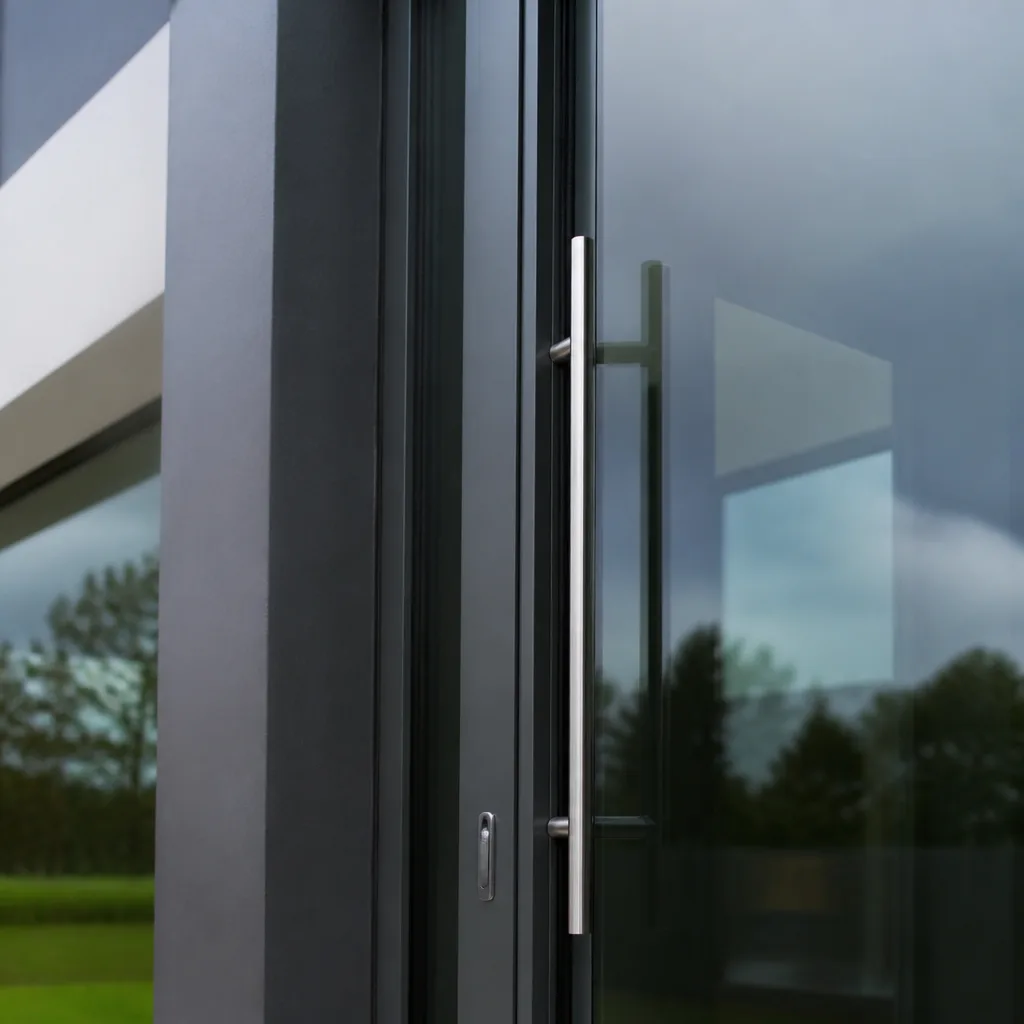
Sightline specifies from eight manufacturer lines, each with distinct maintenance requirements. The following applies to the lines most common in Miramar installations.
PGT WinGuard and EnergyVue Series
PGT’s laminated impact glass uses a polyvinyl butyral (PVB) interlayer that is sensitive to edge exposure. Inspect the glass edge seal annually; any delamination visible as a milky haze at the lite perimeter requires replacement. The WinGuard vinyl frame uses a proprietary compound with UV stabilizers; clean only with manufacturer-approved solutions to preserve the stabilizer package.
CGI Estate Collection and Sentinel Series
CGI’s aluminum frames are heavy-wall extrusion, typically 0.125 inch at impact zones. The powder coat finish is field-repairable with matching touch-up paint; address scratches promptly to prevent salt undercutting. Estate Collection hardware is solid brass; lubricate with PTFE only, never oil-based products that will oxidize the brass surface.
Therma-Tru Fiberglass Entry Systems
Therma-Tru’s fiberglass skin is inert and UV-stable, but the polyurethane core can absorb water if the skin is breached. Inspect the door bottom and lock edge for impact damage or pet scratching. The multi-point lock system is factory-adjusted; do not attempt to modify strike plate positions without the factory gauge tool.
Mr-Glass Impact-Rated Systems
Mr-Glass units use a silicone structural glazing adhesive that requires periodic inspection for UV degradation. The adhesive appears as a black bead between glass and frame; cracking or chalking indicates replacement. This is not a homeowner-serviceable item; contact Window Replacement in Miramar for assessment.
Common Mistakes to Avoid
- Applying WD-40 to window and door hardware. WD-40 is a water displacer, not a lubricant. It evaporates within 72 hours in Miramar heat, leaving a gummy residue that traps salt and accelerates corrosion. Use dry PTFE lubricant exclusively.
- Pressure washing frames at close range. The convenience of a pressure washer costs weatherstripping deformation, sealant stripping, and forced water intrusion. Maintain 12-inch minimum distance per Broward County code, or hand-wash with a soft brush.
- Ignoring weep holes until water appears inside. By the time water is visible on the interior sill, the wall cavity has been wet for weeks. Inspect and clear weep holes monthly during storm season, not when symptoms appear.
- Using bleach-based cleaners on anodized aluminum. Bleach destroys the anodic coating that protects aluminum against salt corrosion. Once stripped, the aluminum oxidizes rapidly and cannot be re-anodized in place. Use only pH-neutral detergents.
- Documenting only problems, not baselines. A photo of a cracked sealant joint in November proves nothing about when the crack formed. Baseline photos from April establish the pre-existing condition and the storm-season stress interval.
- Assuming impact-rated means maintenance-free. Impact-rated products withstand missile impact; they do not withstand neglect. The same multi-point lock that secures against forced entry corrodes from salt exposure like any other hardware. Rated performance requires maintained condition.
- Delaying post-storm inspection until “things calm down.” In Miramar, “things calm down” means January, when the damage has propagated through four months of additional salt and UV exposure. Inspect within 48 hours of any significant event.
When to Call a Professional
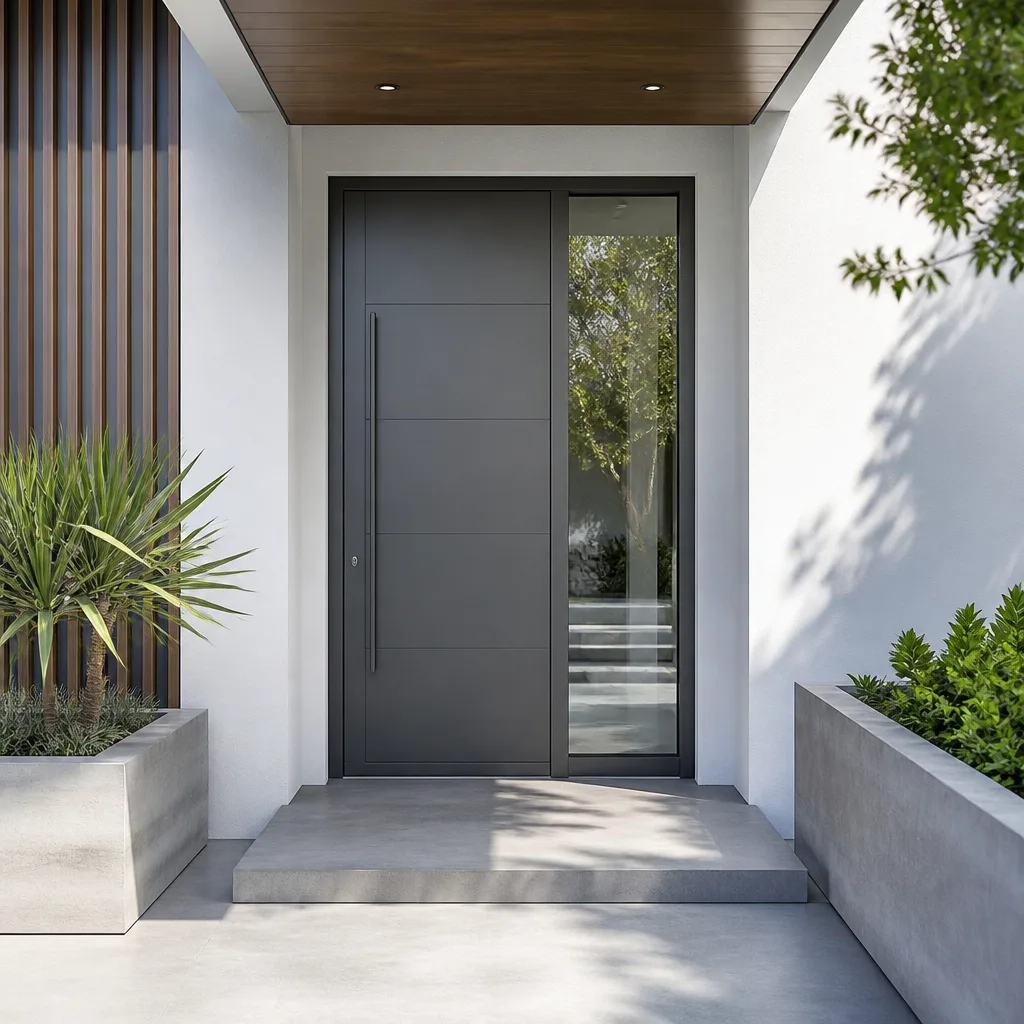
Some conditions exceed homeowner maintenance scope and require trained assessment. Call a professional when you measure frame racking exceeding 1/4 inch, observe glass edge delamination, find active water intrusion with no identifiable source, or identify galvanic corrosion at structural fasteners. Sightline Windows & Doors Miramar offers free estimates in Miramar - call (754) 260-1468. Our technicians are background-checked, uniformed, and identified by license number before arrival, per Haven Clause 3. Every assessment includes a measured survey you keep, a written scope with named pricing, and a documented photo record. The 365-Day Done Right Promise applies to any work we perform.
Frequently Asked Questions
Professional seasonal maintenance for a typical Miramar home with 10-15 openings ranges from $180-$340 for inspection and basic service, to $600-$1,200 if weatherstripping replacement, hardware adjustment, and sealant repair are needed. A full assessment with measured survey and written scope is provided at no charge. Call (754) 260-1468 to schedule - estimates are free.
Homeowners can safely perform cleaning, weep hole clearing, basic lubrication, and visual inspection. Frame racking measurement, sealant replacement, hardware torque verification, and glass edge assessment require tools and training most homeowners do not maintain. The dividing line is whether the action modifies the installation or merely maintains it; modifications require professional execution to preserve warranty and code compliance.
Monthly during the dry season (December-May), biweekly during active storm periods (June-November). Eastern Miramar neighborhoods within two miles of the county line may require 14-day intervals year-round due to higher salt aerosol load. Western neighborhoods near the Turnpike can extend to 21-day intervals in low-storm periods.
No. Haven Clause 1 requires the written price before any work starts, and the measurement and the quote are the same document. If our assessment reveals conditions beyond the initial scope, we stop, document, and provide a revised written scope before proceeding. No work proceeds without a written price you have approved.
Maintenance actions that do not modify the installation - cleaning, lubrication, weatherstripping replacement within original specifications - do not require permits. Actions that modify the frame, glazing, or structural attachment do require permits, and Sightline pulls and closes all required permits as standard practice, with inspection documentation provided to the homeowner.
A typical Miramar home with 10-15 openings requires 2-3 hours for full inspection, measurement, documentation, and basic service. Homes with impact-rated patio door systems, custom geometric windows, or elevated second-story openings may require additional time for safe access and detailed assessment. The written scope and photo record are delivered within 24 hours.
The Bottom Line
Miramar’s windows and doors face two distinct stress cycles, not four seasons. The hurricane and humidity load from June through November demands pre-season hardware verification, post-event frame inspection, and November hardware audit before the dry season begins. The salt accumulation and UV oxidation period from December through May requires monthly cleaning, lubrication, and corrosion monitoring at every dissimilar metal junction. Neither cycle tolerates deferred maintenance; the failure mode you ignore in one cycle becomes the expensive replacement in the next. Document every interval with dated, measured photos to preserve warranty standing and insurance documentation. The maintenance investment is modest; the replacement cost of a neglected impact-rated opening is not.
Call (754) 260-1468 to schedule your free assessment. We’ll provide the measured survey you keep, the written price before any work starts, and the documented photo record that protects your investment.
Written by Sonia Raman, Owner at Sightline Windows & Doors Miramar, serving Miramar since 2012.
Six Reasons Homeowners Choose Sightline Windows & Doors Miramar
Impact systems engineered to design pressures up to +/-100, matched to your wind zone - your openings hold when the storm arrives.
Low-E insulated impact glass from our manufacturer lines commonly cuts monthly cooling bills 20-30%.
Laminated impact glass shuts out up to 40% of outside noise - traffic, neighbors, weather.
Monitoring services run $30-90 a month. Laminated impact glass resists forced entry around the clock, with no subscription.
Florida homeowners average around 25% savings on the windstorm portion of their policy after protecting every opening - some homes qualify for more.
A full impact package upgrades curb appeal, buyer confidence and appraised value in one project.
Other Sightline Windows & Doors Miramar Services